Het Business Transformation Team van Meijburg & Co ondersteunt organisaties bij het ontwerpen, implementeren en optimaliseren van toekomstbestendige operating models. Door fiscale expertise vanaf het begin te integreren in transformatieprojecten, helpen wij risico's te beheersen, kansen te benutten en duurzame waarde te realiseren.
Transformaties waarbij wij ondersteunen
Business transformation kan verschillende vormen aannemen. Hoewel dergelijke trajecten vaak buiten de fiscale functie worden geïnitieerd, kunnen de fiscale gevolgen aanzienlijk zijn.
Ondersteuning vanuit ons team kan relevant zijn wanneer de organisatie:
- Een nieuw ERP-systeem implementeert (zoals SAP S/4HANA of Microsoft Dynamics)
- Een post-merger integratie (PMI) doorloopt
- Een carve-out, desinvestering of bedrijfssplitsing voorbereidt
- De supply chain herontwerpt of verplaatst
- Het finance- of operating model transformeert
- Digitale activiteiten of AI-gedreven bedrijfsmodellen opschaalt
Onze Business Transformation Journey
- High‑level assessment
Beoordeling van het huidige bedrijfsmodel en de fiscale structuur. We brengen opties in kaart en signaleren aandachtspunten ter ondersteuning van besluitvorming. - Detailed design
Ontwerp van het toekomstige target operating model (TOM), inclusief fiscaal relevante ontwerpkeuzes en een praktisch implementatieplan. - Implementatie & go‑live
Ondersteuning bij juridische en commerciële stappen, zoals intercompany-overeenkomsten, registraties, vergunningen en rulings. Daarnaast zorgen we dat complianceprocessen goed worden ingebed. - Resultaat
Een schaalbaar en compliant target operating model dat aansluit bij de strategische doelstellingen van de organisatie en klaar is voor groei, efficiëntie en aanpassingsvermogen.
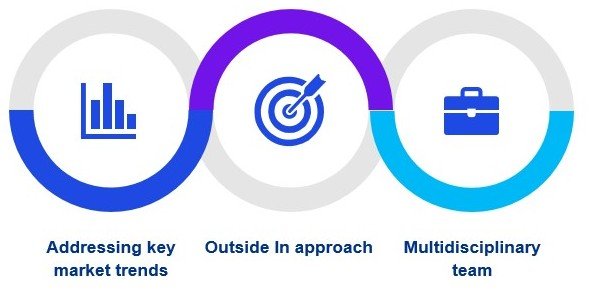
Wat ons onderscheidt
Multidisciplinaire fiscale expertise
Specialisten op het gebied van vennootschapsbelasting, transfer pricing, btw, douane, M&A en value chain management werken geïntegreerd samen om een holistische en fiscaal gedreven transformatie mogelijk te maken.
360°-perspectief gebaseerd op marktontwikkelingen
Wij houden rekening met trends zoals digitalisering, (de)centralisatie, consolidatie, geopolitieke ontwikkelingen, internationale handel en veranderende wetgeving, zodat jouw operating model toekomstbestendig blijft.
Van strategie tot uitvoering
Wij beoordelen, ontwerpen en implementeren target operating models, documentatie, fiscale en juridische structuren, rulings en complianceprocessen, inclusief ondersteuning tijdens de go-livefase.
Wereldwijde dekking, lokale kennis
Ons internationale netwerk is actief in meer dan 88 landen en helpt fiscale strategieën af te stemmen op bedrijfsdoelstellingen om duurzame verandering te realiseren.
Strategische transformaties vragen om een integrale benadering van business en fiscaliteit. Het Business Transformation Team ondersteunt bij ERP-implementaties, post-merger integraties, supply chain-transformaties en andere verandertrajecten, met oog voor fiscale kansen, risicobeheersing en duurzame waardecreatie.
Belangrijke wereldwijde trends

Digitalisering
- Platformbedrijfsmodellen en Kunstmatige Intelligentie (AI)
- Digitale Expertisecentra (Digital Centres of Excellence, DCOE's)
- E-facturatie en realtime fiscale rapportage
- Fiscale implicaties van digitale diensten
- Integratie van bedrijfsprocessen (SAP S/4HANA)

(De)Centralisatie
- Fiscale nexus- en vaste-inrichtingsrisico's
- Grensoverschrijdende coördinatie en centralisatie van financiële en fiscale processen
- (Mede)ondernemerschap
- Winst-, opbrengst- en kostencentra

Geopolitiek en handel
- Economische impact van (Trumps) nieuwe handels- en tarievenbeleid
- Stijgende kosten van energie en grondstoffen
- Belastingvoordelen en stimuleringsregelingen voor nearshoring en reshoring
- EU-antidumpingheffingen op import
- Regionale handelsverdragen (zoals CPTPP en AfCFTA)
- Exportcontroles en mondiale toeleveringsketens (bijvoorbeeld beperkingen in de halfgeleiderindustrie, met gevolgen voor diverse sectoren)

Consolidaties
- Fiscale integratie na een fusie of overname
- Het realiseren van fiscale synergieën
- Uitbreiding van marktaandeel

(Organische) groei
- Fiscale stimulansen voor duurzaamheid
- Fiscale voordelen voor innovatie en R&D

Wet- en regelgeving
- EU-belastingtransparantie: openbare belastingrapportage voor multinationals
- Hervorming van het EU-douanewetboek (UCC): een modern Europees douanestelsel

Overige trends
- Enterprise modelling: vereenvoudiging en standaardisatie
- Afbouw van structuren in traditionele belastingparadijzen
- Herijking van structuren binnen verschillende businessunits
Wij ondersteunen organisaties bij het beheersen van de fiscale impact en het benutten van de kansen die ontstaan door bedrijfstransformatie.
Ons team combineert diepgaande fiscale expertise met uitgebreide ervaring op het gebied van transformatie. Hierdoor kunnen organisaties uitdagingen tijdig signaleren, risico’s beheersen en duurzame voordelen realiseren binnen de gehele organisatie.
Door de brug te slaan tussen fiscaliteit en bedrijfstransformatie helpen wij teams processen te stroomlijnen en toekomstbestendige structuren op te zetten die bestand zijn tegen verandering.
Organisaties die op zoek zijn naar een partner met kennis van zowel de technische als strategische aspecten van fiscaal gedreven verandering, kunnen rekenen op de ondersteuning van onze Business Transformation Group.
Onze expertisegebieden
-
Vennootschapsbelasting
Proactieve begeleiding bij stimuleringsregelingen, antimisbruikbepalingen en veranderende wet- en regelgeving. Ook ondersteunen wij bij aangiften, procesinrichting en de implementatie van administratieve systemen tijdens transformatietrajecten.
-
BTW
Btw-bestendige processen voor reorganisaties en systeemtransformaties, met focus op compliance en cashflowoptimalisatie.
-
Transfer Pricing
Afstemmen van transfer pricing-modellen op herstructureringen en supply chain-veranderingen. Met robuuste economische analyses, sterke documentatie en proactief overleg met belastingautoriteiten helpen we fiscale geschillen te beperken.
-
Douane & Accijnzen
Ondersteuning bij veranderende douaneregels tijdens wijzigingen in bedrijfsmodellen en supply chains. Beperk onnodige douanekosten en zorg voor soepele internationale handelsstromen.
-
M&A Tax
Ondersteuning bij het identificeren van fiscale risico’s en kansen vóór en na een transactie, het veiligstellen van waarde en het integreren van fiscaliteit in bredere transformatie- en integratietrajecten.
FAQ
Wat is de rol van fiscaliteit binnen een SAP S/4HANA-implementatie?
Door fiscaliteit vanaf het begin te integreren, ontstaat een ERP-landschap dat niet alleen voldoet aan fiscale en rapportageverplichtingen, maar ook efficiënte processen ondersteunt en schaalbaar is voor toekomstige ontwikkelingen.
Hoe kan fiscaliteit een carve-out of business separation ondersteunen?
Bij carve-outs en afsplitsingen helpt een geïntegreerde fiscale aanpak waarde te behouden, risico’s te beperken en een soepele transitie te realiseren.
Welke fiscale aandachtspunten spelen een rol bij supply chain-transformaties of relocaties?
Een goed ontworpen fiscale strategie zorgt ervoor dat het nieuwe supply chain-model voldoet aan wet- en regelgeving, operationeel efficiënt is en bijdraagt aan strategische doelstellingen zoals kostenoptimalisatie, weerbaarheid en groei.